Ultraviolet: A Script Font for Creative Projects
There I was, staring at a blank brand board, trying to figure out how to bring a new café’s personality to life. The client wanted something warm, approachable, and a little bit whimsical. After testing a few options, I landed on Ultraviolet—a simple script font that felt just right for the project.
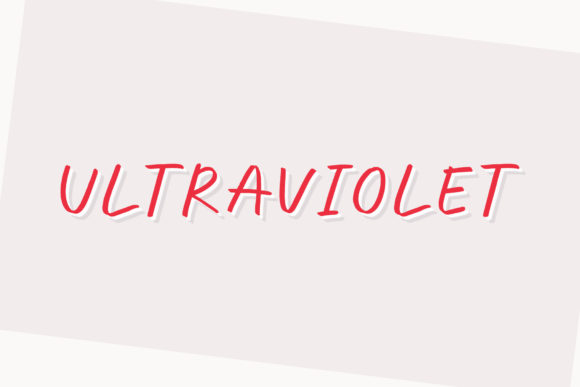
Ultraviolet has a soft, flowing style that’s easy on the eyes but still has enough character to stand out. It doesn’t have the heavy flourishes of more ornate scripts, which makes it versatile for different design applications. The font feels handcrafted, almost like it was written with a pen or brush, giving it a personal touch that’s perfect for small businesses and creative brands.
Testing Ultraviolet in Real Design Work
I started by placing it on a logo draft. The font’s curves and strokes gave the name of the café a gentle, inviting feel. It wasn’t too bold, so it worked well as a headline without overwhelming the rest of the design. I tried it on a business card mockup next. The font looked clean and readable, even at smaller sizes, which is a big plus for practical use.
On a shop sign, Ultraviolet added a sense of movement and charm. It wasn’t too flashy, but it caught the eye just enough to make the café feel unique. For social media posts, I used it for headlines and captions. The font’s natural flow made it feel more engaging, especially when paired with photography or illustrations.
Ultraviolet in Brand Identity and Packaging
When working on packaging design, I found that Ultraviolet worked best as a display font. It added a touch of elegance to product labels and sticker designs without being too distracting. I paired it with a clean sans serif for body text, which helped balance the overall look. The combination created a nice contrast that made the design feel both modern and personal.
For a greeting card concept, Ultraviolet brought a sense of warmth and intimacy. It felt like the perfect match for handwritten-style messages. I also used it on a flyer for an event, where it served as a header that stood out without overpowering the content below.
Practical Tips for Using Ultraviolet
If you’re considering using Ultraviolet in your own projects, start by testing it on different mockups. Try it at various sizes and with different color schemes to see how it performs. Pay attention to how it looks in both digital and print formats, as this can affect readability and visual appeal.
Ultraviolet is best suited for short-form text, such as headlines, logos, and accents. It’s not ideal for long paragraphs, as its script style can become hard to read when used extensively. That said, it can work well as a supporting typeface when paired with a more traditional font.
Font Pairing and Design Applications
Pairing Ultraviolet with a serif or sans serif font often creates a balanced and professional look. A classic serif like Georgia or a modern sans like Helvetica can provide a strong foundation while letting the script font shine as a highlight. For a more casual feel, pairing it with a handwritten font might add an extra layer of personality.
In editorial design, Ultraviolet can be used for headings or pull quotes to add visual interest. On a website, it works well for hero sections or call-to-action buttons, where a bit of flair can help draw attention. For printed marketing materials, it adds a custom feel that makes the brand stand out.
Checking Font Features and Licensing
Before finalizing any design, it’s important to check what styles and features are included with Ultraviolet. Does it have multiple weights? Are there alternate characters or ligatures? These details can affect how the font is used across different design elements.
Also, consider the file formats and licensing terms. If you’re using Ultraviolet for commercial projects, make sure you have the proper license to avoid any legal issues. Many fonts in the Script Amp category come with clear usage guidelines, making them easier to integrate into branding systems.
As I wrapped up the café project, I felt confident that Ultraviolet had played a key role in shaping the brand’s visual identity. It wasn’t just a font—it was a tool that helped bring the client’s vision to life. Whether you’re working on a small business project or a larger creative initiative, Ultraviolet offers a stylish yet practical solution for designers looking to add a personal touch to their work.