Marsyella: A Delicate Script Font
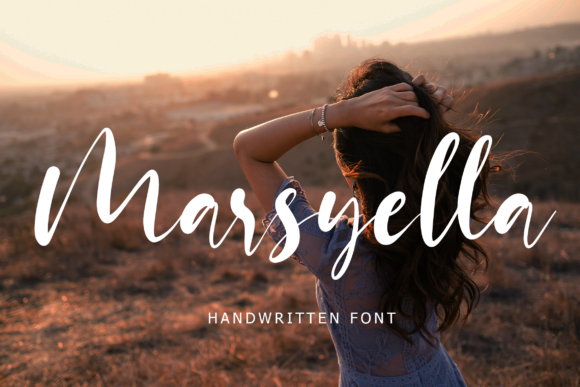
Marsyella is a handwritten font that brings elegance and flow to any design. Its balanced characters make it ideal for editorial projects where visual appeal meets readability. As a script font, Marsyella adds a personal touch without sacrificing clarity, making it a valuable addition to any designer’s toolkit.
Designed with care, Marsyella offers a soft yet confident presence. The font’s curves and strokes are carefully crafted to maintain legibility even at smaller sizes. This makes it suitable for both display purposes and subtle accents in layouts. Whether used in headings or as part of a larger typographic hierarchy, Marsyella enhances the overall aesthetic of a publication.
Using Marsyella in Editorial Design
In editorial design, Marsyella shines as a go-to font for headers, cover text, and section titles. Its flowing nature complements content that requires a sense of movement and grace. For example, a lifestyle blog might use Marsyella for article headlines to create an inviting and artistic tone. Similarly, a recipe ebook could feature the font on chapter openers to add a touch of warmth and personality.
When paired with a clean serif or sans serif font, Marsyella can create a strong visual contrast. This pairing works well in magazines, where a readable body font supports the elegant display of Marsyella in headings and pull quotes. The result is a layout that feels both professional and visually engaging.
Marsyella in Digital and Print Publications
Marsyella is versatile enough to work across multiple formats. In digital publications such as newsletters and ebooks, the font maintains its character on screens, ensuring that readers experience the same level of detail whether they’re on a mobile device or a desktop. For print, Marsyella adds a unique flair to covers, brochures, and printable guides, making it a favorite among designers looking for a handcrafted look.
For a wedding guide, Marsyella could be used in section headings to reflect the romantic and personal nature of the content. In a coaching workbook, the font might appear in motivational quotes to reinforce the message. These applications highlight how Marsyella can support the mood and purpose of a publication.
Supporting Visual Hierarchy and Brand Identity
Visual hierarchy is essential in editorial design, and Marsyella helps establish clear focal points. Its distinct shape makes it ideal for headlines, subheadings, and accent typography. When used sparingly, the font draws attention without overwhelming the reader. This balance is key to maintaining a cohesive and professional appearance across different design elements.
Marsyella also plays a role in brand identity. A consistent use of the font across a publication’s cover, headers, and graphics creates a unified look that reinforces the brand’s personality. For independent content creators, this consistency can help build recognition and trust with their audience.
Practical Applications of Marsyella
Consider a digital magazine that uses Marsyella for its title page and featured articles. The font adds a sense of sophistication that aligns with the publication’s style. In a printable planner, Marsyella might appear in daily affirmations or inspirational quotes, offering a personal and motivating touch.
For a creator newsletter, Marsyella can be used in subject lines and header sections to catch the reader’s eye. It also works well in social media graphics, where a handwritten feel can make content more relatable and engaging. These examples show how Marsyella adapts to different needs while maintaining its signature charm.
Readability and Technical Considerations
While Marsyella is a script font, it remains highly readable, especially when used in appropriate sizes and contexts. Designers should avoid using it for long blocks of text, as its intricate details may become difficult to read on screens or in print. Instead, it’s best suited for short phrases, headings, and decorative elements.
When exporting designs to PDF or other formats, ensure that the font is embedded correctly to maintain its appearance. For mobile layouts, test the font at various screen sizes to confirm that it retains its clarity. These steps help ensure that Marsyella looks great no matter where it’s displayed.
Font Pairing and Style Options
Pairing Marsyella with other fonts can enhance its impact. A classic serif font like Georgia or Times New Roman provides a strong contrast for body text, while a modern sans serif like Open Sans or Lato works well for captions and labels. This combination allows designers to create layouts that are both stylish and functional.
Check the available styles, alternates, and ligatures to fully utilize Marsyella’s potential. Some versions may include additional characters or variations that expand its usability. Multilingual support is also important for international audiences, ensuring that the font works seamlessly across different languages and scripts.
Commercial Licensing and Usage
For commercial projects such as ebooks, templates, and paid newsletters, it’s important to verify the licensing terms of Marsyella. Many premium fonts offer licenses that allow for use in digital and print materials, but specific restrictions may apply. Always review the license agreement to ensure compliance, especially when working on client projects or selling digital products.
As a script amp font, Marsyella offers a blend of creativity and practicality. Its ability to elevate design while maintaining readability makes it a top choice for publishers, bloggers, and editorial designers. Whether used in a magazine, ebook, or social media graphic, Marsyella adds a touch of elegance that resonates with readers and enhances the overall visual experience.