Housky: A Script Font for Bold Campaigns
It’s 9 a.m., and I’m staring at a blank canvas for the first social post of the week. The campaign is for a seasonal sale, and the goal is to grab attention quickly across platforms. I’ve already drafted the copy, but the visual needs something special—a font that feels alive, expressive, and just right for the message.
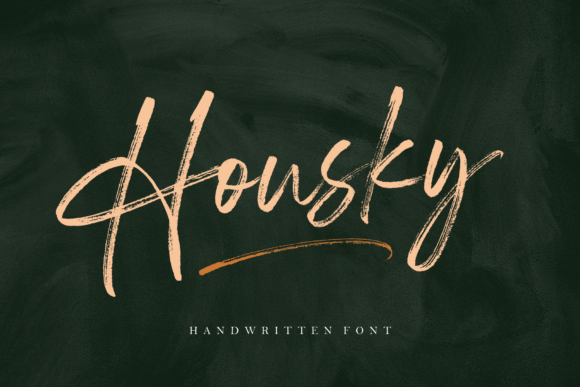
I reach for Housky. It’s a script font with a brush style, elegant yet playful. The curves are soft, the strokes dynamic, and it carries a sense of energy that matches the tone of the campaign. It’s not just a typeface; it’s a mood booster for the design.
As I start layering text over the background, I notice how Housky commands attention without overwhelming the composition. It works best for short headlines, callouts, and logo-style text. The font has a natural flow that makes it ideal for campaign labels, decorative titles, and display text in promotional graphics.
One of the first things I test is the font on a YouTube thumbnail. The title needs to be readable at a glance, even when scaled down. Housky holds up well, especially when paired with a clean sans serif. The contrast adds clarity without sacrificing style. It’s perfect for a webinar banner or a course launch.
For Instagram posts, I use Housky as a headline for a quote graphic. The font’s personality shines through, adding a touch of sophistication that aligns with the brand’s aesthetic. It’s also great for reels covers, where quick recognition is key. The font’s unique shape helps the post stand out in a fast-scrolling feed.
When designing for Pinterest, I focus on how Housky interacts with the image. It’s often used as a caption overlay or a header for pins. The font’s brush-like strokes add a handcrafted feel, which resonates well with the platform’s creative audience. It’s also useful for branded content series, where consistency in typography is essential.
On the web, Housky makes a strong impression in landing page headers and email banners. It’s a premium font that elevates the overall look of the design. But I always check the readability on mobile screens. Housky works best when used sparingly—too much text in this font can become hard to read, especially on smaller devices.
For dark backgrounds, I adjust the font color to ensure contrast. On light backgrounds, I keep it simple, using a bold weight to make sure the text stands out. In both cases, Housky maintains its elegance without losing clarity.
Font pairing is another important consideration. I often pair Housky with a modern sans serif like Montserrat or a classic serif like Georgia. This creates a balanced look that’s both professional and visually engaging. It also helps in maintaining a cohesive design system across different campaign elements.
Before finalizing any design, I review the font’s features. Housky includes multiple styles, alternates, and ligatures that offer flexibility. The file formats are standard, making it easy to integrate into design software. Multilingual support is a plus, especially when working on campaigns targeting diverse audiences.
Commercial licensing is another factor. I make sure the font is properly licensed for use in ads, templates, merchandise, and client projects. Housky falls under the Script Amp category, which means it’s designed for creative and commercial use without restrictions.
As the campaign progresses, I revisit Housky for different assets. It’s used in a promo graphic for an online shop, a teaser for a new product, and a banner for a webinar. Each time, it brings a fresh, inviting energy to the visuals. It’s not just a font—it’s a tool that enhances the message and connects with the audience.
Whether it’s a sale announcement, a quote graphic, or a branded template, Housky adds a personal touch that makes the design more memorable. It’s a versatile asset that fits into various digital marketing workflows, from social media to web design.
As I wrap up the week’s work, I know that Housky has played a key role in shaping the campaign’s visual identity. It’s more than just a font—it’s a part of the creative process that helps turn ideas into compelling, recognizable designs.